
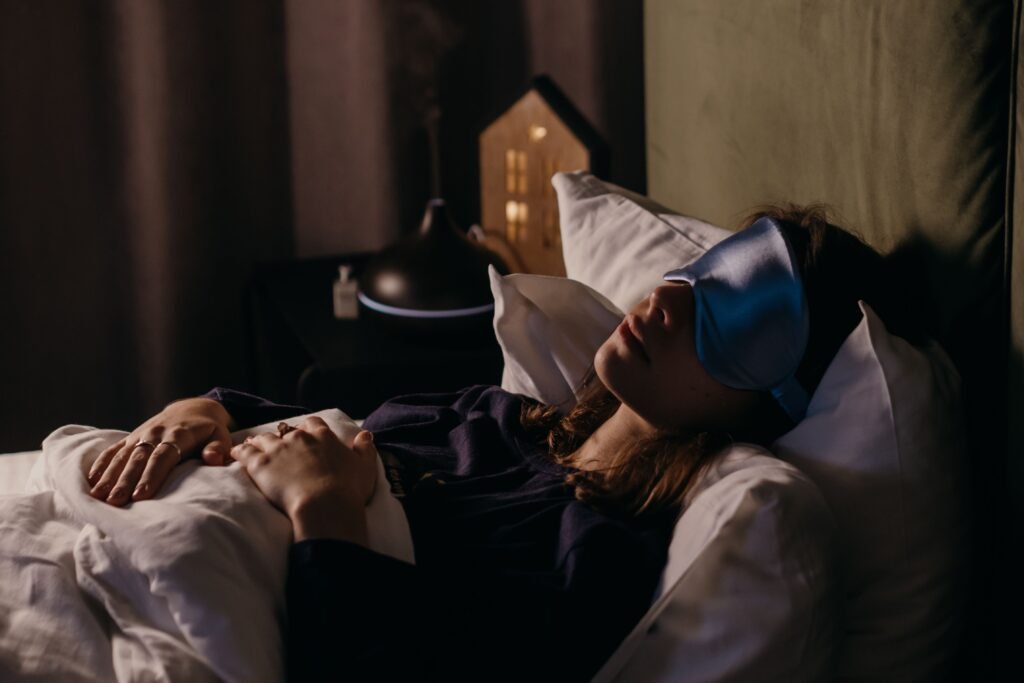
You know exactly how many hours you slept last night. But can you say whether that sleep was truly restorative?
There is an enormous difference between spending hours in bed and actually resting. And science in 2025 and 2026 is revealing that this difference may determine whether you will develop Alzheimer’s, diabetes, heart disease, or depression — decades before any symptom appears.
This article draws on publications from the New England Journal of Medicine, JAMA, the journal Cell, npj Biological Timing and Sleep, the American Psychological Association, and research centers including UC Berkeley, Johns Hopkins, and ScienceDirect to answer the questions that matter most: why sleep is vital, what happens when it fails, how age interferes, and what you can do to sleep better — including using sounds and music as scientific allies.
Why sleep is as important as food and water
For decades, sleep was treated as a passive state — a period of inactivity needed to recover energy. Modern science has completely overturned this view.
While you sleep, your body performs an extraordinary set of active tasks:
- The brain activates the glymphatic system — a network of channels that literally washes the organ, draining toxic proteins such as beta-amyloid, associated with Alzheimer’s
- The immune system produces cytokines and antibodies that strengthen the body’s defenses
- Growth hormone is released in pulses — essential for muscle, bone, and cellular repair
- Memories from the day are consolidated and transferred from short-term to long-term memory
- The heart reduces its rate and blood pressure, giving the cardiovascular system an essential recovery period
- Hormones that regulate appetite — leptin and ghrelin — are rebalanced
In September 2025, researchers at the University of California, Berkeley published a groundbreaking study in the journal Cell, revealing for the first time the specific neural circuit that regulates growth hormone release during sleep. The work showed that during REM sleep and deep sleep (NREM), specific neurons in the hypothalamus activate in precise patterns to coordinate the pulsatile release of the hormone — a process impossible to replicate artificially. As the researchers concluded: “sleep is not merely a period of rest; it is a biologically active phase of maintenance and growth of the organism.”
What happens when sleep fails: the consequences science has confirmed
Chronic sleep deprivation — defined as consistently sleeping less than 7 hours per night — is not simply a matter of tiredness. It is a public health issue.
A study published in 2026 in npj Biological Timing and Sleep (Nature) showed that chronic sleep restriction activates complement and coagulation cascades in the brain — molecular mechanisms directly linked to accelerated brain aging. In plain terms: sleeping poorly ages your brain faster than time itself.
The American Psychological Association published a comprehensive review in June 2026 titled “The New Science of Sleep,” with striking conclusions:
- A single night of sleep deprivation is already enough to trigger low-grade systemic inflammation in the body
- Chronic sleep deprivation significantly increases the risk of obesity, type 2 diabetes, and inflammatory diseases
- The relationship between sleep and mental health is bidirectional — poor sleep can precede and even cause symptoms of anxiety and depression
- Sleep disturbances are present in virtually all mental health disorders, including anxiety, depression, PTSD, bipolar disorder, and schizophrenia
The list of scientifically documented consequences is extensive:
The glymphatic system cannot adequately clean the brain. Beta-amyloid protein accumulates. A study of nearly 8,000 people showed a 30% higher risk of dementia in those sleeping less than 6 hours after age 50.
Sleeping less than 6 hours raises blood pressure, increases vascular inflammation, and doubles the risk of heart attack and stroke. The American Heart Association recommends 7–9 hours per night for cardiovascular health.
Sleep deprivation raises ghrelin (the hunger hormone) and reduces leptin (the satiety hormone). It also increases insulin resistance — one of the mechanisms that leads to type 2 diabetes.
Poor sleep increases the reactivity of the brain’s amygdala — the fear center — and reduces the prefrontal cortex’s ability to regulate emotions. The result: more anxiety, more impulsivity, less emotional control.
Studies show that people who sleep less than 6 hours are 4 times more likely to catch a cold when exposed to the virus, compared to those who sleep 7 or more hours.
According to statistics compiled by the National Council on Aging in 2026, men who sleep well regularly live an average of 4.7 years longer; women, 2.4 years longer.
Sleep and aging: what changes with age
A comprehensive narrative review published in ScienceDirect in March 2026 — based on searches of PubMD, Web of Science, and Google Scholar through December 2025 — provided a detailed picture of how sleep changes with aging:
Across the lifespan, sleep architecture is gradually remodeled. This process is not caused solely by aging itself, but by a multifactorial interplay that includes medical, psychiatric, and environmental factors. The most relevant changes include:
- Reduction in deep sleep (slow-wave sleep) — the most restorative stage begins to decline from ages 30–40 and drops dramatically after age 60
- Reduction in REM sleep — the phase where dreams occur and emotional memory is processed also decreases
- Increased nighttime awakenings — sleep continuity becomes harder to maintain
- Advancement of the circadian rhythm — older adults tend to feel sleepy earlier in the evening and wake earlier in the morning
- Reduced melatonin production — the hormone that regulates sleep decreases with age, making it harder to initiate and maintain sleep
The result: up to 50% of adults aged 60 and over report insomnia symptoms, according to 2026 data from the National Council on Aging. And 7 in 8 older adults who report sleep disturbances also have at least one other significant disorder — depression, heart disease, chronic pain, or memory problems.
But note: experts at the American Association for Geriatric Psychiatry are clear — insomnia is not a normal part of aging. Inactivity, lack of routine, and inappropriate use of alcohol, caffeine, and tobacco — not age itself — are the main causes of sleep problems in later life. And this means they are treatable.
A finding from the Journal of Clinical Sleep Medicine published in 2025 revealed something that alarmed researchers: lower slow-wave sleep and lower REM sleep are associated with brain atrophy in the regions most vulnerable to Alzheimer’s. In other words, sleep quality in middle age may determine the state of the brain decades later.
How much sleep do you really need?
The official recommendation from the American Academy of Sleep Medicine, endorsed by the CDC and the American Heart Association, is:
| Age group | Recommended hours |
|---|---|
| Infants (4–12 months) | 12–16 hours (including naps) |
| Toddlers (1–2 years) | 11–14 hours (including naps) |
| Preschoolers (3–5 years) | 10–13 hours (including naps) |
| School-age children (6–12 years) | 9–12 hours |
| Teenagers (13–18 years) | 8–10 hours |
| Adults (18–60 years) | 7 or more hours |
| Adults (61–64 years) | 7–9 hours |
| Older adults (65+ years) | 7–8 hours |
Important: more is not necessarily better. Consistently sleeping more than 9 hours is also associated with health risks, especially cardiovascular ones. The 7–9 hour range is optimal for most adults.
Music, sounds, and noise: the science of audio environments for sleep
One of the most fascinating findings of sleep research in recent years is that the sound environment can be a powerful ally for improving sleep quality — especially for people who struggle to switch off their thoughts at bedtime.
What are colored noises?
The so-called “colored noises” — white, pink, and brown — are sounds that contain all audible frequencies, but in different proportions. Each has distinct characteristics and effects:
- White noise: equal energy across all frequencies. Sounds like a fan or static. Widely used to mask environmental sounds.
- Pink noise: more energy in lower frequencies, less in higher ones. Sounds like gentle rain, soft wind, or distant beach waves. The most studied for improving deep sleep.
- Brown noise (or red noise): even more energy in very low frequencies. Sounds like heavy rain, distant thunder, or a waterfall. A favorite among digital platform users.
According to an article published in Popular Science in March 2026, Dr. Mathias Basner of the University of Pennsylvania explains: “Any sounds that you’re perceiving while you’re sleeping definitely affect your sleep.” The main mechanism of colored noises is sound masking — they cover unpredictable environmental noises (such as cars, neighbors, or household sounds) that would be sufficient to interrupt sleep, but are not stimulating enough to keep the brain awake.
Brown noise: the science of sleep’s favorite
Brown noise went viral on social media around 2022, especially in the ADHD community, with users reporting that the sound helps “quiet the mental noise.” But what does science say?
A 2025 study linked to the Center for Health Sciences in California analyzed the effect of low-frequency sounds on slow-wave activity during sleep. Results showed promising correlations between the administration of low-frequency tones and slow-wave activity during non-REM sleep — the most restorative sleep stage.
According to a 2026 review by Better Sleep: brown noise works through two simultaneous mechanisms — masking external sounds and promoting a sense of calm and relaxation that facilitates the transition to sleep. Research has also shown that brown noise can help reduce tinnitus symptoms and improve cognitive performance.
Evidence-based recommendations for using brown noise for sleep:
- Ideal volume: 40–50 dB — equivalent to the volume of a quiet room or light rain. Louder is not better.
- The WHO recommends nighttime environmental noise below 40 dB for healthy sleep
- Use a 60–90 minute timer — sound is most beneficial during the sleep onset period (the first 20–60 minutes). Leaving it playing all night may slightly reduce sleep quality in later sleep cycles.
Nature sounds: rain, forests, and rivers
Nature sounds — rain, streams, wind through leaves, birdsong, ocean waves — have a unique ability to induce relaxation. And there is a neurological explanation for this.
Neuroimaging research has shown that nature sounds activate the parasympathetic nervous system — the body’s “rest and digest” mode — while reducing sympathetic nervous system activity (the “fight or flight” mode). In practical terms: the brain interprets these sounds as signals of environmental safety, which facilitates relaxation and the onset of sleep.
A study published in Scientific Reports, which used functional MRI to analyze the brains of participants listening to nature sounds, showed that these sounds promote outward-focused attention (which reduces internal rumination and anxious thoughts) and decrease the activity of the stress response system.
Music with calming frequencies: 432 Hz and binaural beats
Two types of music have been gaining growing attention in sleep science: 432 Hz music and binaural beats.
432 Hz music is tuned to a slightly different frequency than the modern standard (440 Hz). Advocates claim this frequency produces more harmonious and naturally relaxing sounds. A randomized clinical trial registered on ClinicalTrials.gov, conducted by Dow University of Health Sciences, compared the effectiveness of 432 Hz music with binaural beats and white noise in reducing anxiety — with favorable results for 432 Hz music. The researchers described this frequency as capable of providing “utter calm, pleasure, and peace to its listeners” and being “effective for reducing stress and improving sleep quality.” It is important to note that the evidence is still preliminary and more research is needed.
Binaural beats work differently: two tones of slightly different frequencies are played, one in each ear. The brain perceives the difference between the two frequencies as a third tone — and tends to synchronize its brain waves with that tone, a phenomenon called entrainment. Binaural beats between 1–4 Hz (delta waves) have been associated with deep sleep states; between 4–8 Hz (theta waves), with relaxation and meditation.
Studies published in the Journal of Sleep Research showed that sound synchronization can positively influence sleep quality, especially slow-wave sleep.
🎵 Quick guide to sounds for better sleep
- Brown noise — ideal for masking external sounds and promoting calm. Great for ADHD and racing minds.
- Pink noise — the most studied for deepening sleep. Sounds like gentle rain and waves.
- Rain and nature sounds — activate the parasympathetic nervous system. Reduce anxiety and mental rumination.
- 432 Hz music — frequency associated with relaxation and stress reduction. Promising preliminary evidence.
- Binaural beats (delta/theta) — synchronize brain waves with deep sleep and relaxation states.
- Slow classical music — studies show that music at 60–80 bpm synchronizes with the resting heart rate, inducing calm.
🎵 YouTube Channel
Want to listen right now? Access the channel with science-recommended sounds
Brown noise, pink noise, rain, nature sounds, binaural beats, and 432 Hz music — all in one place, free, so you can sleep better tonight.
▶ Visit NoiseNod on YouTubeWhat to do to sleep better: what science recommends
1. Cognitive Behavioral Therapy for Insomnia (CBT-I)
The Journal of Clinical Sleep Medicine and the American Academy of Sleep Medicine are unanimous: CBT-I is the first-line treatment for chronic insomnia — superior to sleep medications in the long term. CBT-I combines stimulus control, sleep restriction, sleep hygiene, and cognitive restructuring techniques to break the cycle of insomnia. It is available with specialized psychologists and in validated digital formats.
2. Regular physical exercise
A systematic review and meta-analysis published in 2025 analyzed seven studies with older adults with sleep problems, involving aerobic exercise, resistance training, tai chi, and aquatic activities. Results confirmed significant improvements in sleep latency (time to fall asleep), sleep efficiency, and total sleep time. The researchers concluded: “Physical activity programs are cost-effective, safe, and practical interventions to enhance sleep quality in community and healthcare settings.”
3. Sleep hygiene: the basics
- Consistent schedules — sleep and wake at the same time every day, including weekends
- Dark environment — the bedroom should be as dark as possible. Use blackout curtains if necessary.
- Cool temperature — the ideal sleep temperature is between 65°F and 68°F (18–20°C). The body needs to cool down to enter deep sleep.
- No screens in bed — the blue light from phones, tablets, and computers suppresses melatonin production. Research published in Exploration of Neuroscience showed that the combination of artificial light and noise at night negatively affects melatonin and cortisol levels.
- Caffeine only before 2 PM — caffeine’s half-life is 5–6 hours. A coffee at 4 PM may still be active in the body at midnight.
- Alcohol does not help you sleep — although it induces drowsiness, alcohol fragments sleep in the second half of the night and reduces REM sleep.
- Morning sunlight exposure — 10 to 20 minutes of morning sun reinforces the circadian rhythm and improves sleep at night.
4. Pre-sleep relaxation routine
The transition to sleep is supported by a consistent relaxation routine in the 30–60 minutes before bed. Evidence-based techniques include:
- Slow diaphragmatic breathing (4-7-8: inhale for 4 seconds, hold for 7, exhale for 8)
- Progressive muscle relaxation (sequentially tense and relax muscle groups)
- Mindfulness meditation (apps like Calm and Headspace have validated clinical evidence)
- Warm bath 1–2 hours before bed (the drop in body temperature after the bath signals to the brain that it is time to sleep)
- Relaxing sounds — rain, nature, brown noise, 432 Hz music, or binaural beats
5. Supplementation: what works and what does not
Melatonin is the most widely used sleep supplement in the world. Science shows it is most effective for circadian rhythm adjustment — jet lag, shift work — and not as a high-dose sleep inducer. The effective dose is low: 0.5 mg to 1 mg, taken 30 to 60 minutes before bed. Higher doses (such as the 5 or 10 mg tablets common on the market) are not more effective and may cause adverse effects.
Magnesium — especially magnesium glycinate — has growing evidence as a sleep aid, particularly in older adults. Magnesium deficiency is associated with insomnia and nighttime restlessness.
⚠️ When to seek medical help
If you snore loudly and stop breathing during sleep, wake with frequent headaches, have excessive daytime sleepiness despite sleeping enough hours, or have had insomnia for more than 3 months — see a doctor. Sleep apnea, restless leg syndrome, and other sleep disorders require specific diagnosis and treatment.
The most recent discovery: synchronized sleep and the future of sleep medicine
One of the most exciting advances of 2025 came from researchers at ETH Zurich and the University of Tübingen: auditory stimulation synchronized with brain waves during slow-wave sleep significantly deepened deep sleep and improved memory consolidation in older adults.
The technology uses a device that monitors brain waves in real time and emits sound pulses at precisely the right moment in the sleep cycle — reinforcing the slow waves that naturally diminish with age. The results were published in the Journal of Sleep Research and paved the way for a new generation of personalized sleep devices.
As the American Psychological Association wrote in its 2026 review: “We are only beginning to understand sleep. What we know for certain is that it is as fundamental to health as nutrition and exercise — and that treating it as optional has consequences that medicine spent decades underestimating.”
The information in this article is based on publications from the New England Journal of Medicine, JAMA, Cell (UC Berkeley), npj Biological Timing and Sleep (Nature), American Psychological Association, Journal of Clinical Sleep Medicine, Journal of Sleep Research, ScienceDirect, Popular Science, WebMD, Better Sleep, National Council on Aging, American Heart Association, and American Academy of Sleep Medicine. This content is for informational and educational purposes only and does not replace medical consultation or consultation with a sleep specialist.