
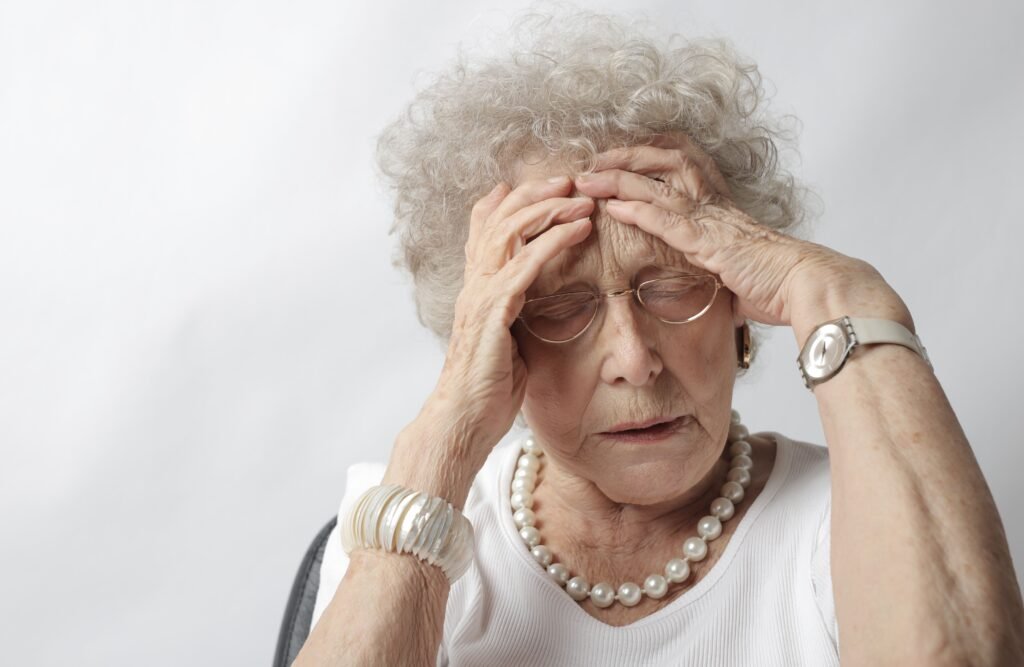
You forgot where you put your keys. You walked into a room and couldn’t remember why. Someone’s name was right on the tip of your tongue — and never came out. You blamed stress, a busy schedule, information overload.
But what if these weren’t just everyday slip-ups?
According to Dr. Paulo Porto de Melo, these may be the first biological signs that your cognitive reserve is already under threat — and the warning needs to happen now, not when symptoms get worse.
An epidemic no one is talking about
The numbers are alarming. In 1990, approximately 2.9 million new cases of Alzheimer’s were recorded worldwide each year. By 2019, that number had jumped to 7.2 million. And according to the Global Burden of Disease, the projection for 2050 is 152 million people living with dementia.
This is not bad luck. It is consequence.
According to Dr. Paulo, the world has changed in ways the human brain has not yet adapted to. Three major shifts in modern lifestyle are fueling this silent epidemic:
- Insulin resistance, once rare, is now so closely linked to Alzheimer’s that researchers already call the disease “type 3 diabetes” — because a brain with dysregulated insulin accumulates the beta-amyloid protein up to three times faster.
- Average sleep time has dropped from 7–8 hours per night to less than 6 — precisely the window during which the brain cleans out the proteins that cause the disease.
- Ultra-processed food consumption has gone from less than 25% of daily calories to over 50% in the diets of Brazilian children, feeding chronic inflammation that ages the brain decades ahead of time.
Alzheimer’s doesn’t start at 70 — it starts at 40
This is the point Dr. Paulo considers most urgent: Alzheimer’s disease develops silently in the brain for up to 20 years before the first visible symptom appears.
That means when someone receives a diagnosis at 70, the destructive process may have started around age 50 — or even earlier.
We are seeing a frightening rise in early-onset dementia: people in their 40s and 50s already showing serious cognitive decline that used to be seen only in 80-year-olds.
The brain simply was not built to handle the level of sleep deprivation, chronic stress, and excess sugar that the modern world imposes on it. And it pays the price in silence — neuron by neuron.
So why is this happening?
According to Dr. Paulo, the Lancet Commission on Dementia found that up to 45% of cases could be prevented or at least delayed through lifestyle changes. Not expensive medications. Not magic formulas. Everyday decisions.
The biggest modifiable risk factors for Alzheimer’s are the same ones that cause diabetes, obesity, and cardiovascular disease. They are not separate conditions — they are different expressions of the same chronic inflammation destroying the body from within.
And here’s the hard truth: conventional medicine has no cure for Alzheimer’s. No drug approved to date reverses the disease. The only strategy backed by real evidence is prevention — and it needs to begin decades before any diagnosis.
What you can do starting today
The good news is that the brain has a remarkable ability to protect itself — when given the right conditions. Dr. Paulo calls this brain reserve: the brain’s capacity to compensate for damage before symptoms appear.
The greater your reserve, the more slowly the disease progresses — even if protein plaques are already forming.
And building that reserve is within everyone’s reach. In the upcoming posts in this series, you will learn:
- Who is most at risk (and the answer may surprise you)
- The everyday habits silently destroying your brain
- What to put on your plate — and what to remove — to protect your neurons
- The science-backed prevention protocol anyone can follow
- The supplements with real evidence for brain health
- And the tests that can detect the problem before the first symptoms appear
The clock is ticking. But the window to act is still open.
The information in this post is based on the work of Dr. Paulo Porto de Melo, neurologist and neurosurgeon, trained at Unifesp and with a postgraduate degree from Harvard, with over 25 years of clinical experience.
Follow Dr. Paulo on Instagram: @ppmelo