
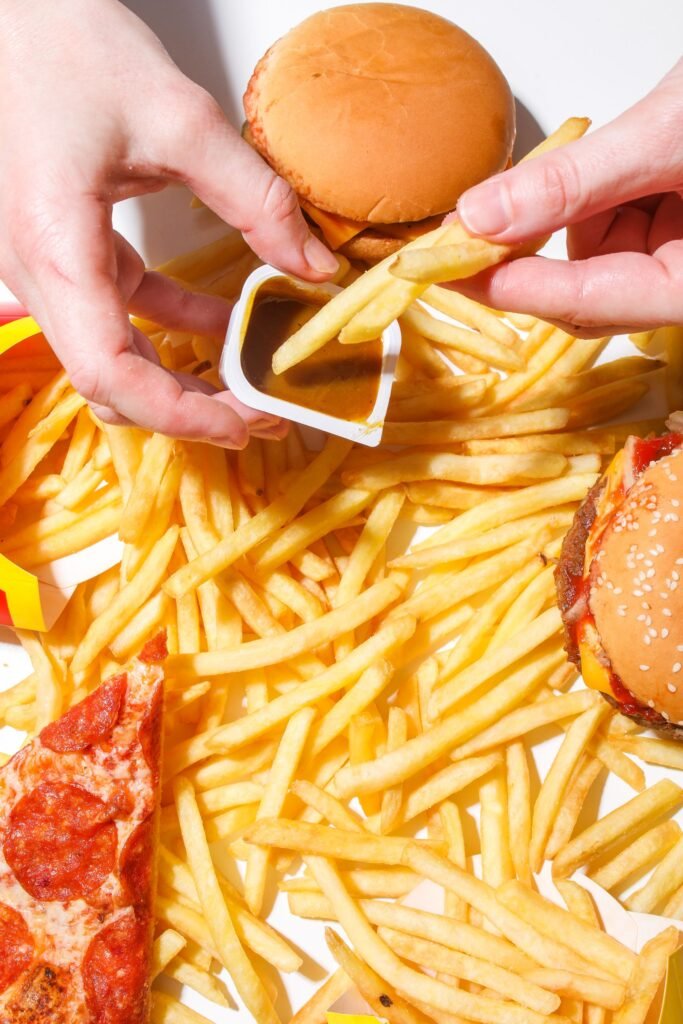
📊 The Current Scenario: The Omnipresence of Ultra-Processed Foods
Before discussing how to change your diet, it is important to understand the scale of the food environment we live in. What you consume is not just a matter of individual choice, but the result of an industrial system designed to maximize consumption.
According to updated data from 2025/2026, ultra-processed foods (UPFs) represent a massive share of daily calories in both developed and developing countries, and science now links this consumption to over 30 negative health outcomes.
🇧🇷 Brazil
A pioneer in creating the NOVA classification (which categorizes foods by their degree of processing), Brazil is seeing a steady increase in UPF consumption, especially among children and adolescents, driven by aggressive marketing and convenience.
🇺🇸 United States
The new Dietary Guidelines for Americans (2025-2030) explicitly recommend reducing highly processed foods. The FDA and USDA are actively working to establish a uniform federal definition for “ultra-processed” and require clearer labeling.
🌍 Europe
The European Union is advancing proposals to make front-of-pack nutritional labeling (such as the Nutri-Score) mandatory and to restrict the marketing of UPFs to children, recognizing the impact on public health and healthcare system costs.
⚠️ A crucial fact: Recent epidemiological studies have consolidated that high UPF consumption is associated with a 24% higher risk of cardiovascular events, as well as higher rates of obesity, type 2 diabetes, and certain types of cancer.
🧠 What Ultra-Processed Foods Do to Your Body and Mind
To understand why we need to review our pantries, we first need to recognize the signs. The industrial formulation of these products primarily affects:
⚡ Reward System Hijacking
Precise combinations of sugar, fat, and salt, along with additives, make UPFs “hyper-palatable,” addicting the brain in a manner similar to other substances that activate dopamine.
😰 Chronic Systemic Inflammation
Regular consumption is linked to elevated inflammatory markers in the blood, which are at the root of metabolic diseases, joint pain, and accelerated cellular aging.
🦠 Intestinal Dysbiosis
The lack of real fiber and the presence of artificial emulsifiers and sweeteners harm the gut microbiome, directly affecting immunity and the gut-brain axis (mood and anxiety).
⚖️ False Satiety and Weight Gain
They are calorie-dense but poor in nutrients and fiber. The body remains in a state of “nutrient hunger,” leading to a cycle of caloric overconsumption without real satisfaction.
📉 Brain Fog and Fatigue
The sharp spikes and drops in blood glucose caused by these foods impair concentration, short-term memory, and energy levels throughout the day.
🔬 What Science Says About Reducing Ultra-Processed Foods
The good news is that science proves: changing the foundation of your diet generates rapid and measurable results. Research published in journals like The BMJ and JAMA Internal Medicine demonstrates that every 10% increase in UPF consumption is correlated with a significant increase in the risk of chronic diseases.
On the other hand, intervention studies show that replacing UPFs with whole or minimally processed foods leads participants to experience:
- Rapid improvement in glucose and blood pressure markers.
- Restoration of gut microbiota diversity within a few weeks.
- Greater mood stability and reduction in anxiety symptoms.
- Sustainable weight loss without the need for obsessive calorie counting.
The NOVA classification is gaining global traction as the most effective tool to guide consumers in identifying the degree of processing, rather than just calories or macronutrients.
💡 How to Practice Mindful Eating in Your Routine
The goal is not perfection or total, radical elimination (which can lead to eating disorders), but rather shifting the base of the diet to real food. Here is a practical guide to start sustainably:
✅ What TO DO
- Apply the “Rule of 5”: Avoid products with ingredient lists containing more than 5 items or names you do not recognize as food (e.g., high-fructose corn syrup, monosodium glutamate, artificial colors).
- Cook more at home: Even if it is something simple, preparing your meal ensures you control what goes into your body.
- Make a gradual transition: Replace one ultra-processed item at a time (e.g., swap soda for sparkling water with lemon, or filled cookies for fruit with nuts).
- Plan your meals: Having healthy options on hand (washed fruits, eggs, nuts) reduces the likelihood of giving in to the convenience of UPFs when hungry.
- Prioritize NOVA 1 and 2: Base your diet on whole foods (fruits, vegetables, meats, eggs) and minimally processed foods (rice, beans, olive oil, spices).
❌ What TO AVOID
- Shopping while hungry: Going to the supermarket hungry drastically increases impulse buying of hyper-palatable products.
- Falling for the “Fit” or “Light” trap: Many products labeled as healthy are actually disguised ultra-processed foods, full of sweeteners and additives to compensate for removed fat or sugar.
- Using food as an emotional regulator: Identify whether the hunger is physical or if it is boredom, stress, or anxiety (emotional hunger).
- Trying to change everything overnight: Radical changes cause a rebound effect. Consistent progress is more effective than temporary perfection.
🏥 When It Is Time to Seek Professional Help
There are moments when the relationship with food and ultra-processed items goes beyond what habit changes alone can resolve. Recognizing this is an act of self-care and intelligence. Consider seeking support from a nutritionist or psychologist when:
- You feel you lose control over the amount you eat, especially of specific foods (like sweets or chips), characterizing binge eating.
- Consumption is generating or worsening health conditions such as pre-diabetes, hypertension, hepatic steatosis, or chronic gastrointestinal issues.
- You develop intense feelings of guilt, shame, or anxiety after eating certain foods.
- You have tried various restrictive diets on your own and experience yo-yo dieting, indicating the need for a professional behavioral approach.
- Ultra-processed food is constantly replacing complete meals, leading to nutritional deficiencies and chronic fatigue.
📚 Cited Resources and Scientific Sources
- Liu, X., et al. Ultra-processed food consumption and risk of multiple chronic disease outcomes. The BMJ. (2026).
- Willett, W., et al. Consumption of ultra-processed foods and increased risks of cardiovascular disease. The American Journal of Medicine. (2026).
- Monteiro, C. A., et al. The UN Decade of Nutrition, the NOVA food classification and the trouble with ultra-processing. Public Health Nutrition. (2018).
- U.S. Food and Drug Administration (FDA). Ultra-Processed Foods: Definition and Regulatory Framework. (2026).
- U.S. Department of Agriculture (USDA) & U.S. Department of Health and Human Services (HHS). Dietary Guidelines for Americans, 2025-2030. (2025).
- European Commission. Scientific and Ethical Assessment of Ultra-Processed Food Consumption and Related Policy Recommendations. (2026).
- World Health Organization (WHO). Ultra-processed foods: a One Health agenda for action and accountability. (2026).