
Alzheimer’s develops in the brain for up to 20 years before the first visible symptom. That means by the time forgetfulness starts interfering with daily life, the destructive process is already advanced.
But medicine today has tools capable of detecting warning signs long before that. Dr. Paulo presents the tests that can reveal what is happening in the brain — while there is still time to act.
The 3 imaging and genetic tests
1. MRI with volumetry
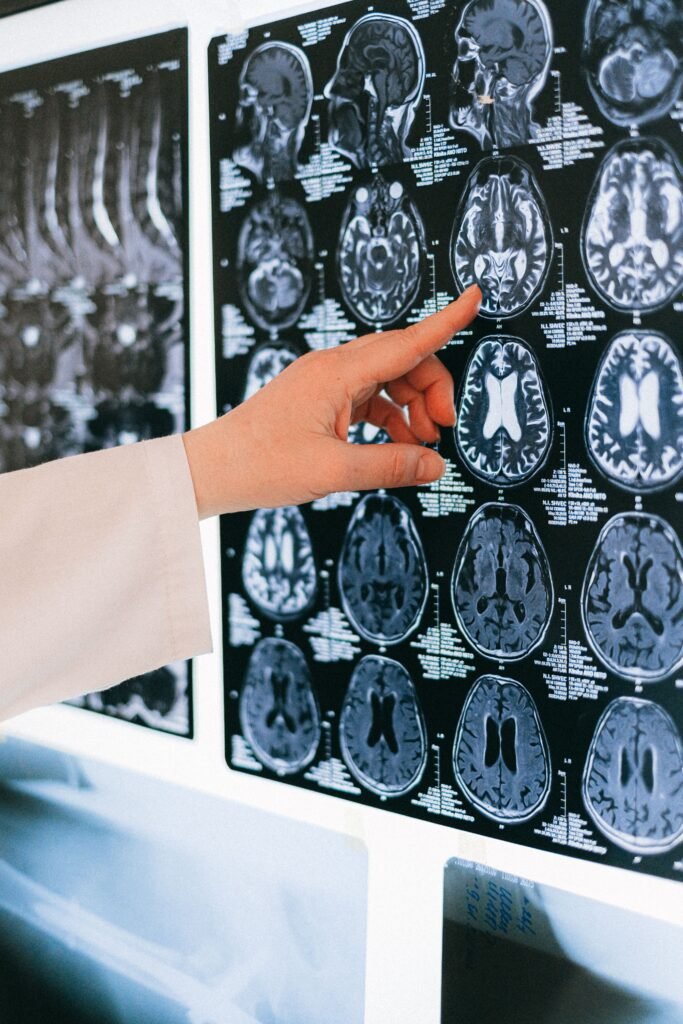
This exam analyzes brain structure in high definition and allows observation of volume reduction in critical areas — especially the hippocampus, the seat of memory. If this area is already atrophied or asymmetric compared to the other side, there is a high risk of progression to Alzheimer’s, even if symptoms have not yet appeared.
2. Genetic testing for the APOE4 gene
This test identifies the presence of one of the genes most directly linked to Alzheimer’s. Having one or two copies of the APOE4 gene does not mean the disease will necessarily develop — but it indicates elevated risk and calls for extra care with lifestyle habits. It is information that changes how you look after your brain.
3. Amyloid PET scan
The amyloid PET is one of the most advanced tests available. It allows identification of beta-amyloid proteins already accumulated in the brain — one of the central features of Alzheimer’s — before any clinical symptom appears. It is a less accessible test, but in cases of strong family history or early symptoms, it is extremely relevant.
The 3 blood tests most people never request
Dr. Paulo warns: blood count, cholesterol, and blood glucose are important routine tests, but they do not show how the brain is doing. Preventive neurology requires different tests — and these three are the most important.
1. Serum homocysteine
Homocysteine is a marker that indirectly measures how much neurons are under attack from oxidative stress. When elevated, it literally erodes the hippocampus. Studies report that for every 5 micromol increase in homocysteine, Alzheimer’s risk rises by 40%. People with elevated homocysteine also have a smaller hippocampal volume and perform worse on cognitive tests.
The most important detail: in most cases, adequate intake of vitamins B6, B9, and B12 is enough to reduce homocysteine. A serious problem — with a simple solution.
2. High-sensitivity C-reactive protein (hs-CRP)
This test measures silent, chronic inflammation — directly linked to the risk of cortical degeneration. When hs-CRP is above 3, the risk of vascular events doubles. Low-grade chronic inflammation silently destroys neurons and accelerates cognitive decline for years, without any visible signs.
3. Fasting insulin
Neuroimaging studies show that insulin resistance is correlated with alterations in hippocampal glucose metabolism — many years before blood glucose rises in conventional tests. Insulin resistance at the brain level leads to synaptic loss and direct impairment of memory, which is why Alzheimer’s is already called “type 3 diabetes” by some researchers.
Fasting insulin detects this problem far earlier than conventional blood glucose. It is a simple test — and rarely requested.
Why aren’t these tests ordered routinely?
Dr. Paulo is direct: there is no magic pill for high homocysteine, chronic inflammation, or insulin resistance. The solution lies in lifestyle change — and that does not generate profit for large industries.
The system prefers the problem to be discovered when symptoms are already present. But these three simple tests can detect silent neurodegeneration at the moment when it is still reversible.
The next time you have a medical appointment, ask your doctor about homocysteine, high-sensitivity CRP, and fasting insulin. If those tests were not ordered, you have not yet had a complete preventive neurological assessment.
Knowledge is protection
Knowing what is happening in your brain before the first symptoms appear is one of the most powerful prevention tools available. The earlier the risk is identified, the greater the chance to act — with the lifestyle changes presented throughout this series — while the brain still has the capacity to compensate and recover.
Don’t wait to forget to start remembering that you need to take care of your brain.
The information in this post is based on the work of Dr. Paulo Porto de Melo, neurologist and neurosurgeon, trained at Unifesp and with a postgraduate degree from Harvard, with over 25 years of clinical experience.
Follow Dr. Paulo on Instagram: @ppmelo